

Preparing and Servicing Apparatus for Winter Weather

Winter weather can be harsh, making it crucial for emergency responders and maintenance teams to prepare their apparatus properly. With snow, ice, and freezing temperatures, the reliability and safety of vehicles play a vital role in ensuring successful emergency operations. This blog post outlines key steps to ensure your apparatus is ready for the winter months.
The Importance of Battery Maintenance
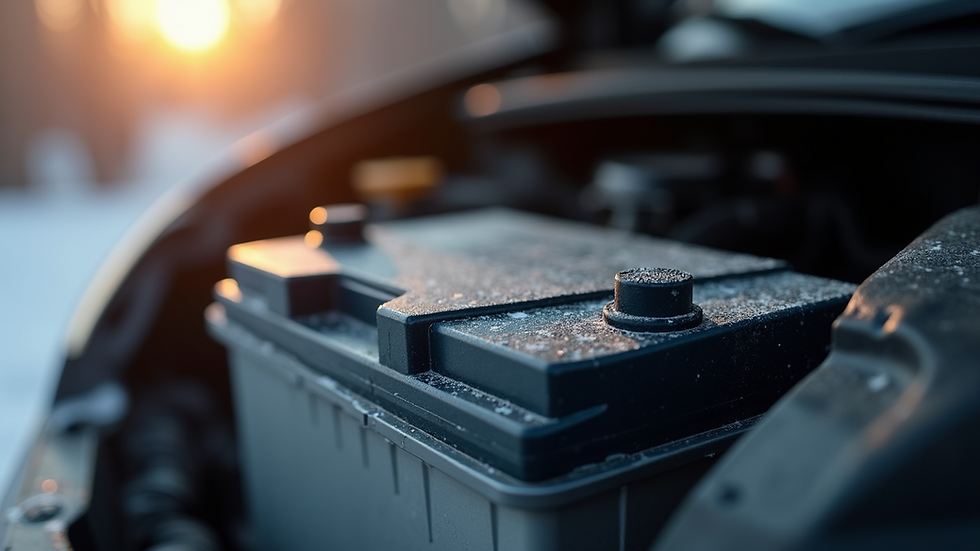
As temperatures drop, vehicle batteries can lose their power. Inspecting and replacing batteries is essential to prevent breakdowns during emergencies.
Inspecting Your Batteries
Start by checking the battery terminals for corrosion. Clean any buildup with a mixture of baking soda and water, followed by rinsing with clean water. Make sure the connections are tight, and if the battery is more than three years old, consider getting it tested at a local auto parts store. They can check its voltage and cold cranking amps to ensure it's ready for winter.
When to Replace
If your battery shows signs of weakness, such as slow engine crank or dim lights, it's time to replace it. A reliable battery can be the difference between responding to an emergency promptly or being stranded.
Tire Preparation for Safe Driving
Tires are one of the most important components in winter driving. Ensuring proper tire tread and pressure can prevent accidents in icy conditions.
Checking Tire Tread
Use the penny test: insert a penny into the tire tread with Lincoln's head facing down. If you can see the top of his head, your tread is too low, and it's time to replace the tires. The National Highway Traffic Safety Administration recommends at least 2/32 inches of tread for winter tires.
Maintaining Tire Pressure
Cold air can reduce tire pressure, so check it regularly. A good rule of thumb is to check tire pressure at least once a month during winter. Proper pressure can enhance gas mileage and improve traction.

Antifreeze Levels and Engine Preparedness
A vital part of winter preparation is ensuring proper antifreeze levels. Antifreeze, or coolant, prevents your engine from freezing and overheating.
Checking Antifreeze Levels
Locate the overflow tank under the hood and check the antifreeze levels. If it's low, add a 50/50 mixture of antifreeze and water. Make sure to use the type of antifreeze recommended for your specific vehicle.
Testing Heaters and Defrosters
Conduct a test run of your heaters and defrosters. Ensure that the cabin heats up quickly, and the defroster removes fog and ice from the windshield adequately. This will maintain visibility and comfort during operations.

Essential Winter Emergency Kits
Having a well-stocked winter emergency kit can be a lifesaver during winter operations. It's essential for responder safety and preparedness.
What to Include
Your emergency kit should contain:
A flashlight with extra batteries
Blankets or sleeping bags
Non-perishable food and water
Basic first aid supplies
A shovel and ice scraper
Jumper cables
Road flares or warning triangles
Taking the time to prepare these kits will ensure your response teams can handle unforeseen situations effectively.
Maintaining Locks and Seals
Winter can bring freezing temperatures that affect locks and doors. Proper lubrication of door seals and locks can prevent complications.
Lubricating Door Seals
Use a silicone spray to coat the rubber door seals. This will prevent them from freezing shut. It also helps maintain flexibility, which is crucial for ease of use during emergencies.
Lubricating Locks
Spraying a graphite lubricant into the locks will keep them functioning smoothly and prevent them from freezing. Avoid water-based lubricants, as they can freeze and cause further issues.
Visibility is Key
Another crucial aspect of winter preparation is ensuring all lights and wipers are in proper working order. Poor visibility can lead to dangerous situations.
Inspecting Wipers and Lights
Check the windshield wipers for wear and replace them if they leave streaks. Make sure to use winter wipers if your area experiences heavy snowfall. Inspect all lights—including headlights, brake lights, and turn signals—ensuring they are functioning properly. Replace any burnt-out bulbs immediately for optimal visibility.
Preparing Tire Chains
In some winter conditions, using tire chains may be necessary. Proper inspection and service of these chains ensure they are reliable when needed.
Inspecting Tire Chains
Before winter arrives, inspect your tire chains for any damage, including rust or broken links. If they are not in good condition, replace them. It's important to practice putting on the chains so your team can do it quickly during emergencies.
Storage of Tire Chains
Store tire chains in a cool, dry place to prevent deterioration. Make sure to keep your emergency kit accessible, including tire chains, to allow for immediate use.
Final Thoughts on Winter Preparedness
Winter brings unique challenges for emergency responders and maintenance teams. By taking the necessary steps to inspect and prepare your apparatus, you can ensure safety and reliability on the road. Implementing these practical recommendations not only assists in smooth operations but also saves lives when it matters most.
Taking a proactive approach to winter weather preparation is essential. From inspecting batteries and tires to maintaining locks and seals, each element contributes to the overall readiness of your apparatus.
By ensuring that your team is well-equipped for winter challenges, you can improve response times and safety for everyone involved. Regular maintenance and thorough preparation are the keys to navigating winter weather successfully.


Comments